
Art Documentation: Guidelines for Young Artists
Art Must Be Properly Documented

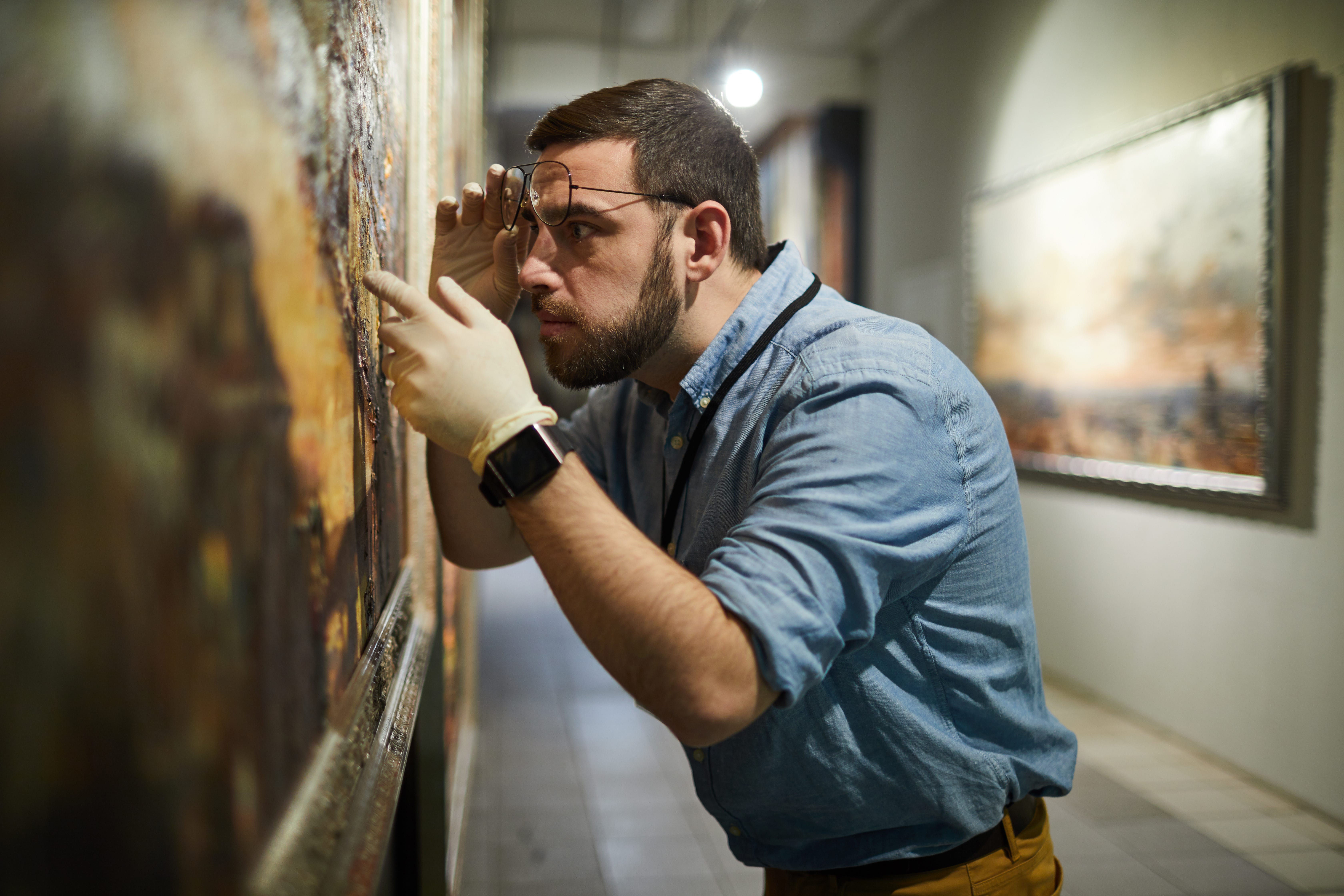
Think of art documentation and archiving as an investment in your art's future. Years from now, when a curator is researching your early work or a collector is verifying a piece's history, proper documentation will be invaluable. Moreover, a good archive will always impress gallerists and collectors – it will give them additional motivation to acquire your works or start working together, as it shows a professional approach to your career and an ambitious long-term mindset.
Why Documentation Matters More Than You Think
Have you ever wondered why some artists' early works fetch higher prices than others? Often, it's not just about the art itself – but how well it was documented.
Good documentation:
- Builds credibility with galleries and collectors
- Makes it easier to track your artistic development
- Helps price your work appropriately
- Prevents future authentication issues
- Makes it more straightforward to apply for grants and exhibitions
Professional Art Photography

You don't need expensive equipment to start, but you need to understand some fundamentals:
- Natural light is your ally – photograph near a large window or outdoors if possible
- If using artificial light, invest in two soft box lights
- Avoid direct sunlight or harsh shadows
- Use a neutral grey or white background (this helps with cropping artwork, even if photos are used without additional background)
- Use a tripod
- Remember that white balance should be consistent across all photos
- For works on paper, it's worth looking for high-quality scanning services (often provided by museums)
When to DIY:
- For social media content updates
- Work-in-progress documentation
- Initial portfolio building
When to hire a professional:
- For gallery submissions
- Exhibition catalogs
- Important sales
- Archive-quality documentation
Creating an Effective Archiving System
Each artwork description must include:
- Artist and title (prepare everything so it's convenient to send to interested parties – always include your full name and year of birth)
- Year of creation
- Medium and materials
- Dimensions (height x width listed first)
- Edition information (if applicable)
- Storage location
- Exhibition History
- Price history
- Condition notes
- Any interesting stories or inspiration sources
Digital Organization
Create a logical file structure:
[Your Name] Archive
├── Artworks
│ ├── 2024
│ │ ├── Series Name
│ │ │ ├── High Res Photos
│ │ │ ├── Web Ready Photos
│ │ │ └── Documentation
│ ├── 2023
│ └── ...
├── Exhibitions
└── Press & Publications
Digital Tools
- Google Drive or Dropbox for cloud storage – it's free and excellent for initial archiving
- Professional art documentation and archiving system (subscription) for inventory management – several reliable providers are in the market. It is not necessary when starting to save budget
- Excel or Google Sheets for tracking
- Take exhibition installation photos
- Scan press clippings
- Important: Regular backups on external hard drives
Physical Documentation
Keep physical copies of:
- Exhibition catalogs
- Certificates of authenticity
- Sketches and studies
Artwork Descriptions
Each piece should have:
- A short description (50-100 words)
- A detailed description (200-300 words)
- Technical information
- Installation instructions (if needed)
Example:
```
"Summer Memories #3" (2024)
Oil on canvas
120 x 80 cm
Short description:
"Summer Memories" is part of a series exploring themes of nostalgia through abstract colour fields. The interplay of warm oranges and cool blues creates a dynamic tension reflecting seasonal changes' transitional nature.
Technical details:
- Materials: canvas, oil
- Framed in natural oak
- UV protective varnish applied
- Hanging system: D-rings with wire
```
Common Documentation Mistakes
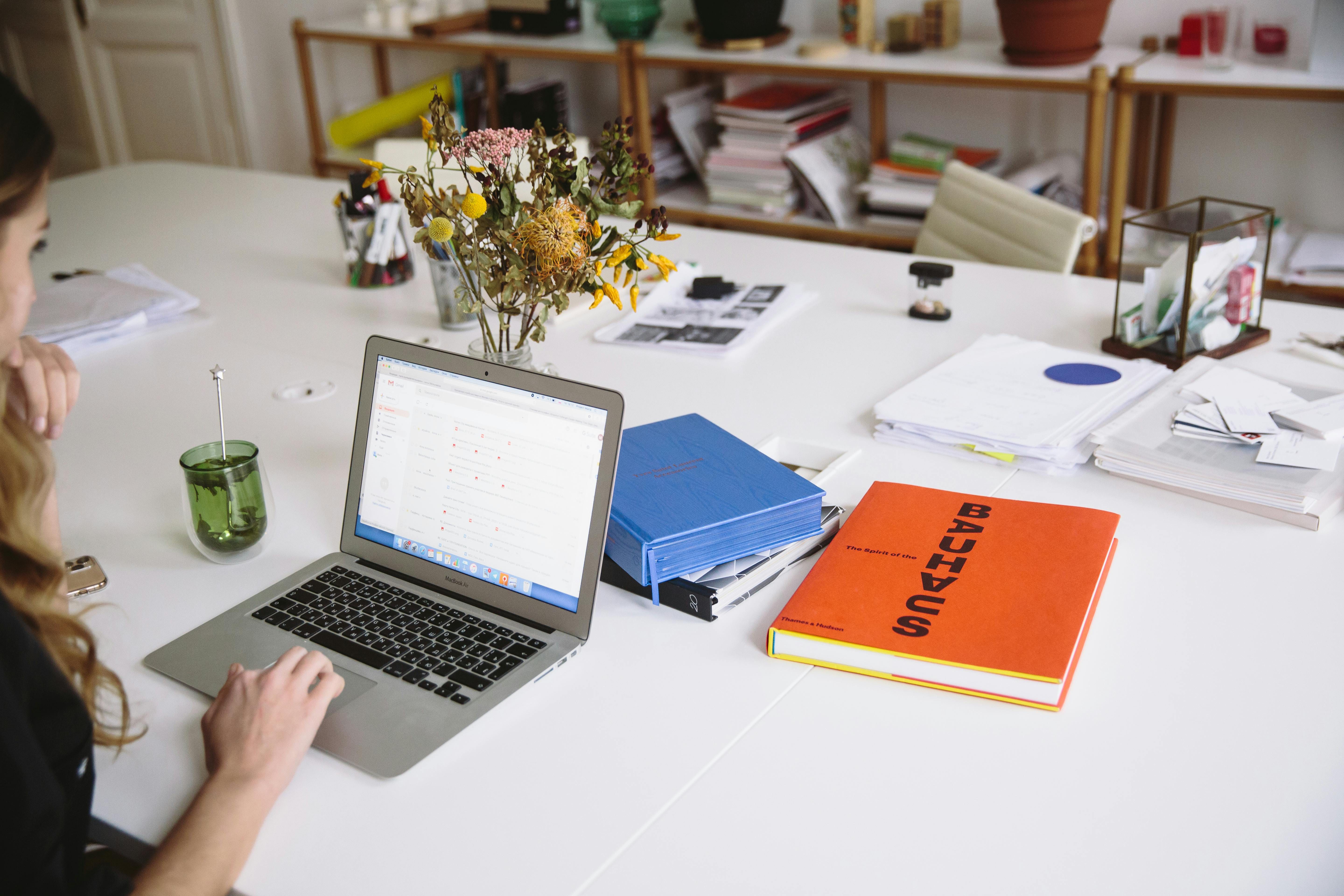
1. Inconsistent photo quality (high resolution needed for print/catalogues, optimized images for web)
2. Missing or incomplete records
3. Poor backup system
4. Unclear artwork descriptions
5. Disorganized archive system
Remember, you're not just documenting for today – you're creating a legacy.
Practical tips to get started:
1. Start with your newest works and gradually document older pieces
2. Set aside regular time for documentation (monthly or quarterly)
3. Create templates for consistency
4. Use standardized file naming systems, think through the logic of artwork titles
5. Keep both digital and physical copies of important documents
6. Periodically make file backups
Remember, while documentation might seem tedious now, it's an investment in your future. Every hour appropriately spent documenting today saves tremendous time in the future and potentially thousands in expenses later in your career.